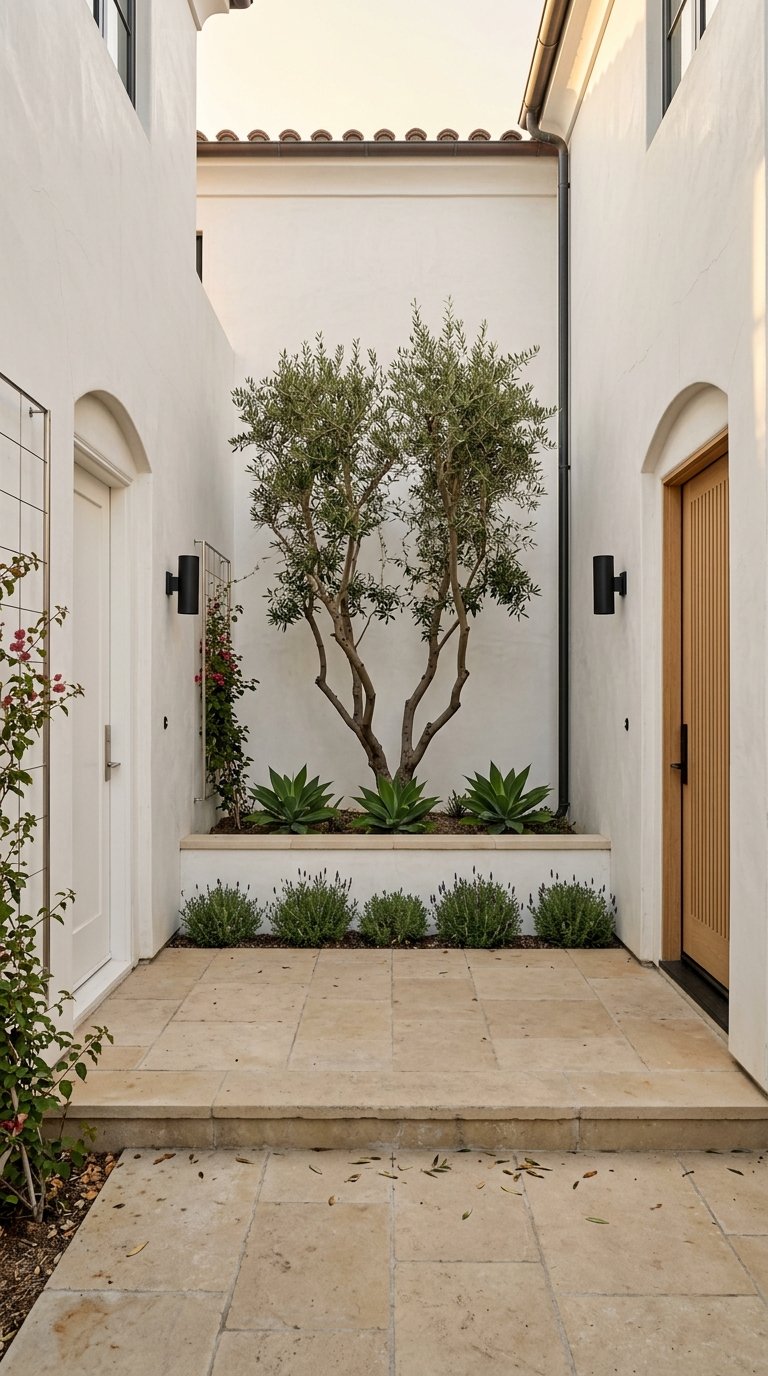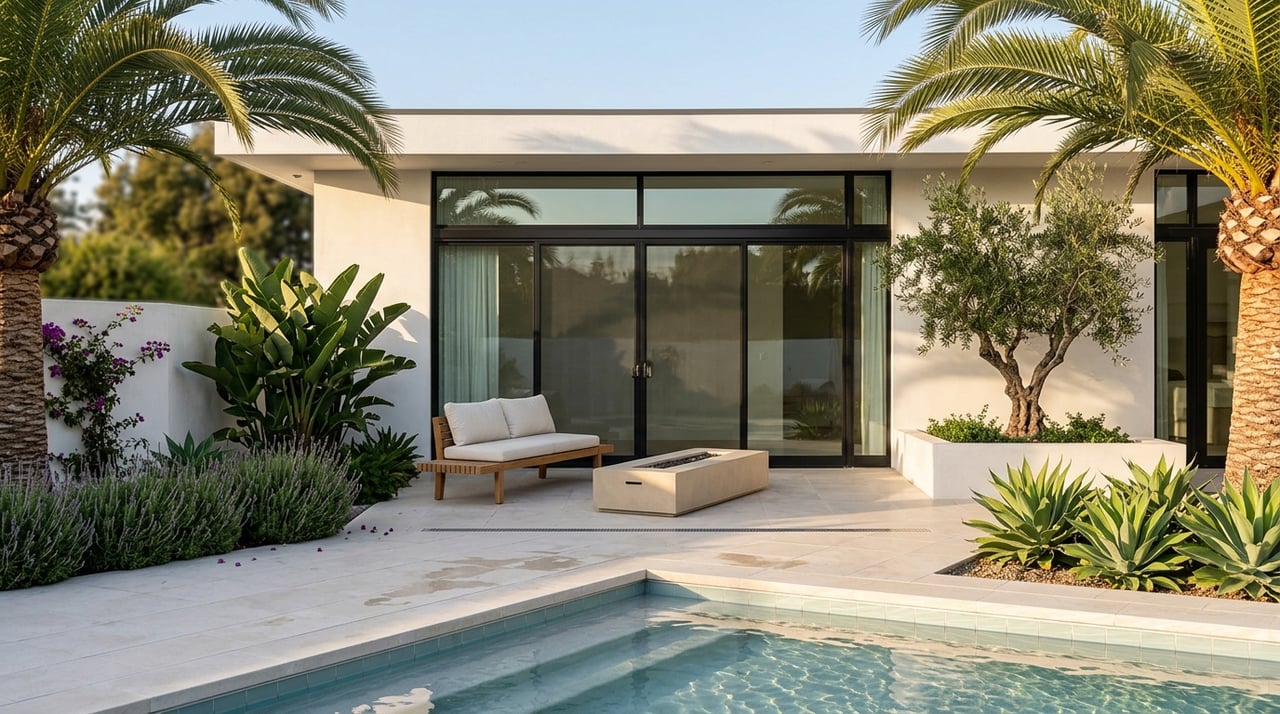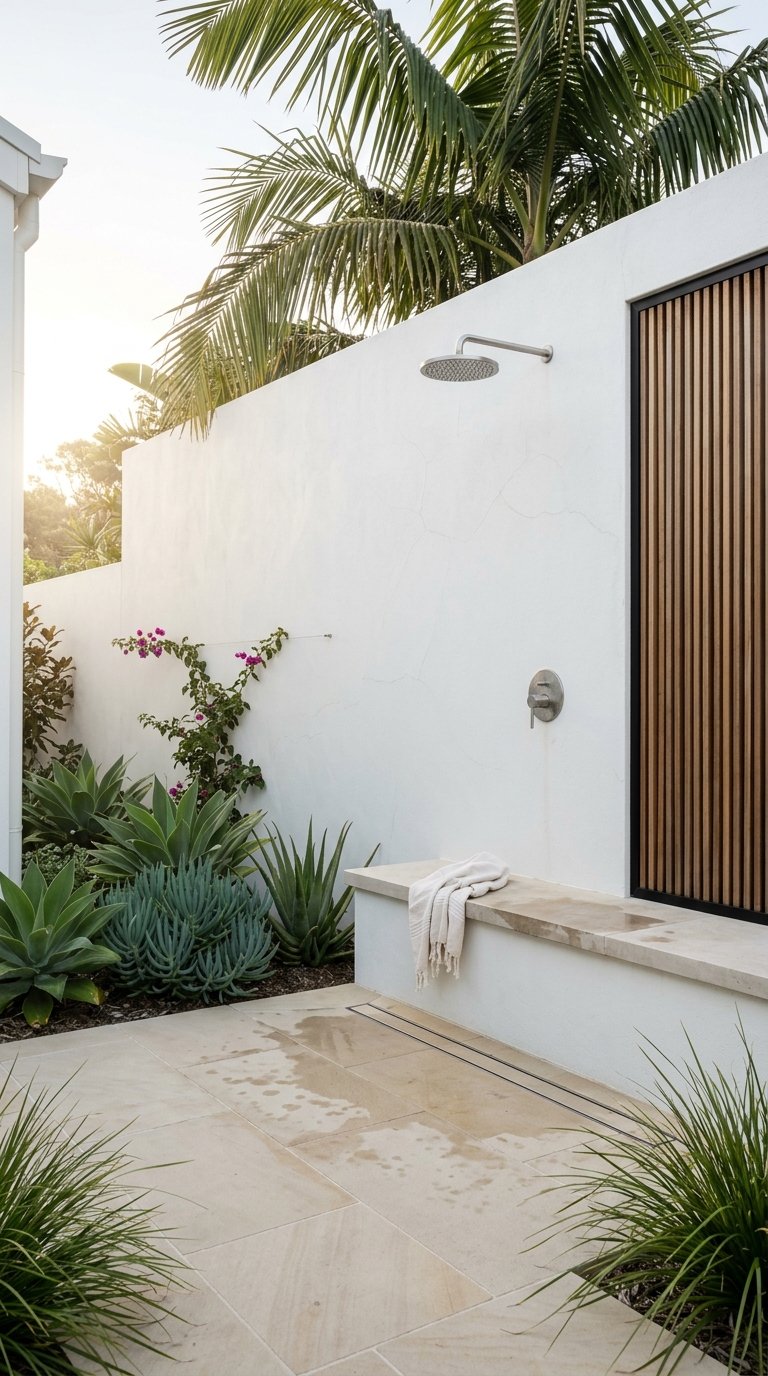
Why can two La Jolla homes with similar square footage sell millions apart? In La Jolla, small details shape big outcomes. You want to understand what truly drives value so you can buy with confidence or sell at a premium. In this guide, you will learn the core price drivers, risks to watch, and smart steps that protect your interests in La Jolla’s unique coastal market. Let’s dive in.
La Jolla micro-markets at a glance
La Jolla is not one market. It is a collection of distinct micro-neighborhoods, each with its own mix of homes, turnover patterns, and buyer profiles. Knowing where a property sits within these areas is your first step to pricing and negotiating well.
La Jolla Village
Walkable to Girard Avenue and Prospect Street, the Village offers condos and compact single-family homes near dining, shopping, and galleries. Buyers who want daily convenience and short walks to services often target this area. Inventory turns faster when presentation is strong and pricing reflects proximity to amenities.
La Jolla Shores
The Shores features beachfront condos and single-family homes close to the sand and kayaking launch points. Many buyers value the easy beach access and a relaxed, coastal lifestyle. Elevation and view corridors can create meaningful price differences street by street.
Muirlands and Upper Muirlands
Elevated lots, larger homes, and long coastal or canyon views are common here. Privacy and lot size play a bigger role, and orientation toward the ocean can command a premium. Remodel potential and permitted square footage often influence pricing.
Bird Rock and Playas
This area is known for a strong neighborhood identity and a blend of architectural styles. Walkability to local shops and coastal access points matters to buyers here. Homes with updated design and thoughtful outdoor spaces perform well.
Country Club and Coast Walk
Luxury oceanfront, bluffline, and near-ocean properties define this area. Full panoramic views and privacy can place homes in the top pricing tiers. Build potential and coastal permitting constraints are important to understand before you plan improvements.
Torrey Pines and Black’s Beach corridor
Expect larger lots, higher privacy, and coastal canyon settings. Some properties offer dramatic views and unique site conditions. Due diligence on slope stability and access is often part of a smart purchase plan.
Top value drivers in La Jolla
La Jolla home values are shaped by a handful of clear drivers. These factors interact, so the strongest price outcomes usually stack multiple advantages.
Ocean views and orientation
Buyers consistently pay more for view quality and the way a home sits toward the coast.
- Full panoramic ocean views at a prime bluff location are the top tier. Partial or framed views carry smaller premiums.
- West-facing properties often capture broad horizon sunsets, while some south-facing homes gain extended daylight and long coastline views.
- Elevation above the beach can add both privacy and view sweep, which often translates into stronger resale.
Walkability and access to amenities
Proximity to The Village core and beloved beaches is both a lifestyle perk and a pricing factor.
- Homes and condos within an easy walk of Girard Avenue, Prospect Street, Children’s Pool, or Windansea often attract deeper buyer pools.
- Short walks to parks, dining, and services can produce faster market times when combined with good condition and presentation.
- Simple time-to-amenity maps and Walk Score-style measures can help you compare options when touring.
Architecture, design, and condition
In a high-price coastal market, design quality and upkeep matter.
- Architect-designed homes, historically significant properties, and well-executed modern rebuilds tend to command premiums.
- Updated kitchens and baths, strong structural and seismic upgrades, and modern systems often win head-to-head versus similar-size but outdated homes.
- If provenance or historic status is a factor, verify details through resources like the La Jolla Historical Society and city historic listings before you rely on them in pricing.
Coastal permitting and build potential
Coastal oversight affects what you can build and how fast you can do it, which influences value.
- Projects near the shoreline may require Coastal Development Permits under the California Coastal Act. Review guidance from the California Coastal Commission and the City’s Local Coastal Program.
- In La Jolla, the City of San Diego’s Local Coastal Program and Development Services processes shape setbacks, height limits, and design requirements. You can review the Local Coastal Program overview to understand the basics.
- Limited ability to expand a footprint can raise the value of existing permitted square footage, while longer timelines and added costs can reduce feasibility for tear-downs.
Hazard exposure and insurance
Site conditions and risk profiles are part of price and financing.
- Bluff erosion, slope stability, and shoreline protections are major considerations for certain properties. Geotechnical evaluations are common for bluff or hillside sites.
- Low-lying or beachfront areas may face flood exposure. Review the FEMA Flood Map Service Center and consult elevation data before you purchase.
- Long-term sea-level rise planning and adaptation are tracked by agencies such as NOAA. The NOAA Sea Level Rise Viewer offers helpful visual context.
- Insurance costs for property, flood, and earthquake vary by location and structure. Some lenders add inspections or specific underwriting rules for higher-risk properties.
Scarcity, turnover, and competition
There is limited land, especially near the water, and owners hold longer.
- Fewer developable lots and a small stock of true waterfront and bluffline homes create structural scarcity.
- Lower turnover often means less active inventory, which can shorten search timelines when the right home appears.
- At the top tiers, cash is common. Preparation and clear pricing strategy can make the difference between winning and waiting.
Practical steps to protect value
A smart plan reduces risk and supports better outcomes for both buyers and sellers.
Buyer due diligence checklist
- Confirm exact neighborhood and parcel boundaries.
- Request recent geotechnical and structural reports for bluff or hillside sites.
- Review Coastal Development Permit status and Local Coastal Program restrictions.
- Check FEMA flood zones and obtain preliminary insurance quotes.
- Study recent comparable sales that match view quality, elevation, and orientation.
- Verify any historic or design review overlays and what they mean for future changes.
- Ask for HOA, utility, and maintenance obligations, especially for shared bluff protection systems.
Seller preparation checklist
- Confirm all improvements are permitted and match as-built conditions.
- Highlight verified view corridors, elevation, and proximity to The Village or beaches.
- Pre-order key inspections where sensible, including roof, systems, and, if applicable, geotechnical updates.
- Assemble disclosures, insurance info, and any coastal or design approvals.
- Stage for lifestyle and light to emphasize views, flow, and outdoor areas.
Pricing and comps that work here
Avoid relying on a single “La Jolla median price” without context. Condo and single-family medians differ, and micro-markets behave differently. Use neighborhood-level comps that mirror view quality, orientation, elevation, and permitting constraints.
Appraisers often make sizable adjustments for view. Ask how view degree and orientation were handled in the analysis. When in doubt, line up a tight set of recent, nearby sales with similar exposures to test your pricing assumptions.
Smart timing and offer strategy
In tight inventory conditions, preparation wins. Have your financials or proof of funds ready, and schedule time to tour quickly. If you plan to renovate, build permit timelines and potential coastal reviews into your contingency periods.
For sellers, white-glove presentation paired with accurate pricing can compress days on market. Clear disclosures on permits and site conditions reduce buyer friction and support stronger terms.
The bottom line
In La Jolla, the biggest price levers are clear: ocean views and elevation, walkability to The Village and the shore, architectural quality, permitted square footage, and risk profile. Add tight supply, and the homes that stack these advantages command the highest prices. With senior-led guidance and careful due diligence, you can buy or sell with confidence.
If you want a private, data-grounded conversation about your property or search, connect with Craig Lotzof for a confidential consultation.
FAQs
What adds the most value to a La Jolla home?
- Ocean views and orientation, walkability to The Village or beaches, and high-quality design with permitted square footage typically drive the largest premiums.
How do ocean views affect appraisals in La Jolla?
- Appraisers often adjust for full, partial, or no ocean view; matching comps by view quality and elevation is essential for accurate valuation.
What should buyers know about coastal permits in La Jolla?
- Many projects near the shoreline require Coastal Development Permits and must align with the City’s Local Coastal Program, which affects setbacks, height, and design.
How does walkability to The Village impact price?
- Homes and condos within an easy walk to shops, dining, and beaches often see stronger demand and can sell faster when condition and presentation are aligned.
Are beachfront or low-elevation homes at flood risk?
- Some are, depending on exact location and elevation; review FEMA flood maps, insurance quotes, and long-term sea-level rise tools before you commit.
What should sellers fix before listing in La Jolla?
- Verify permits, address known condition issues, prepare key reports, and present the home to showcase views, light, and outdoor living for maximum impact.