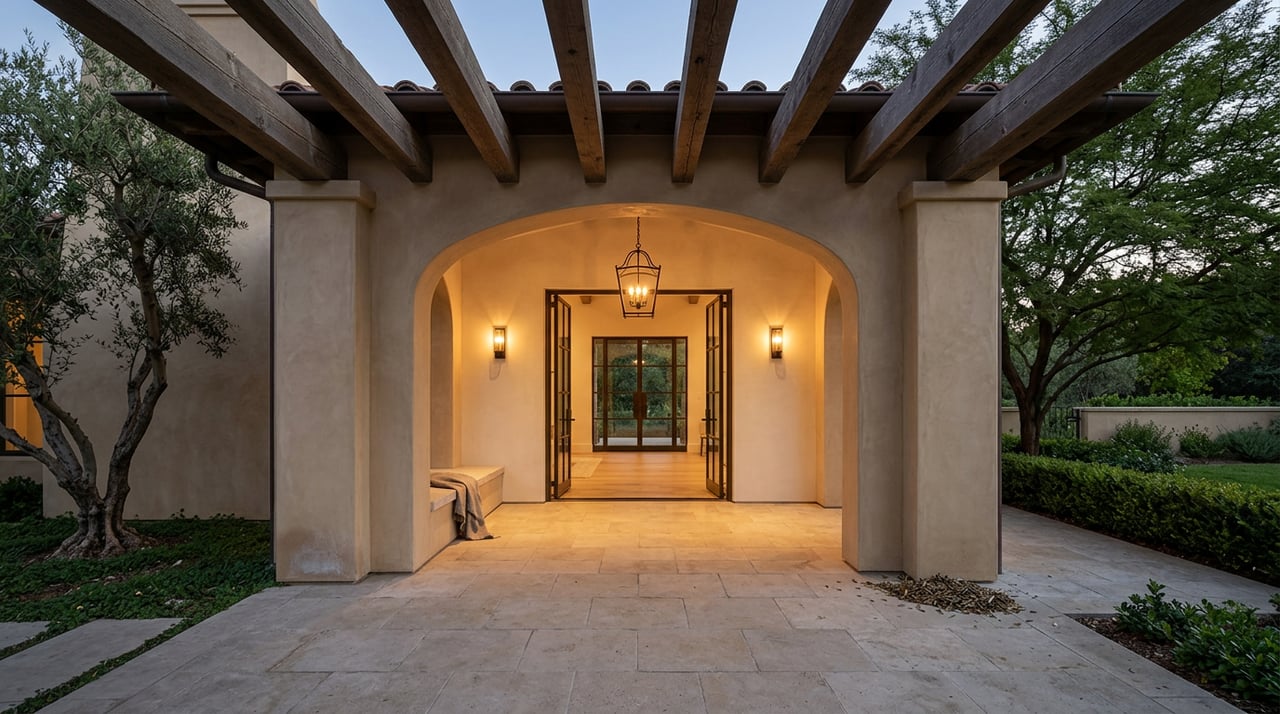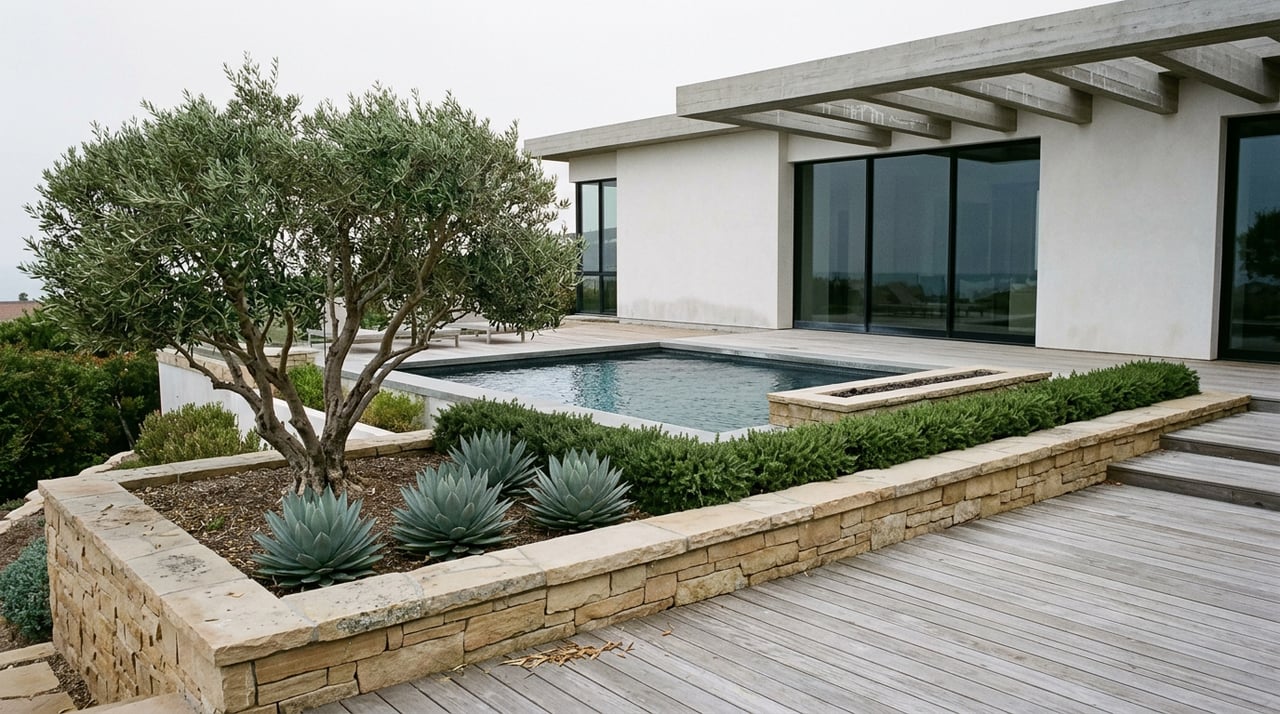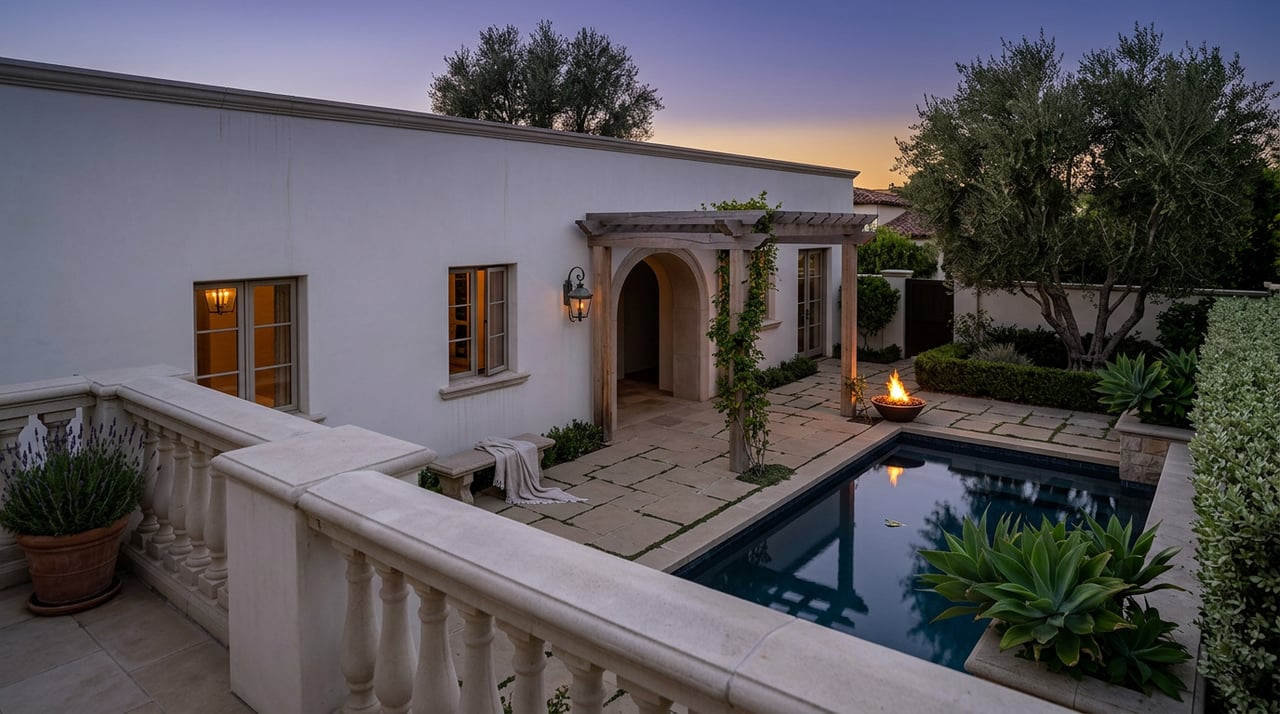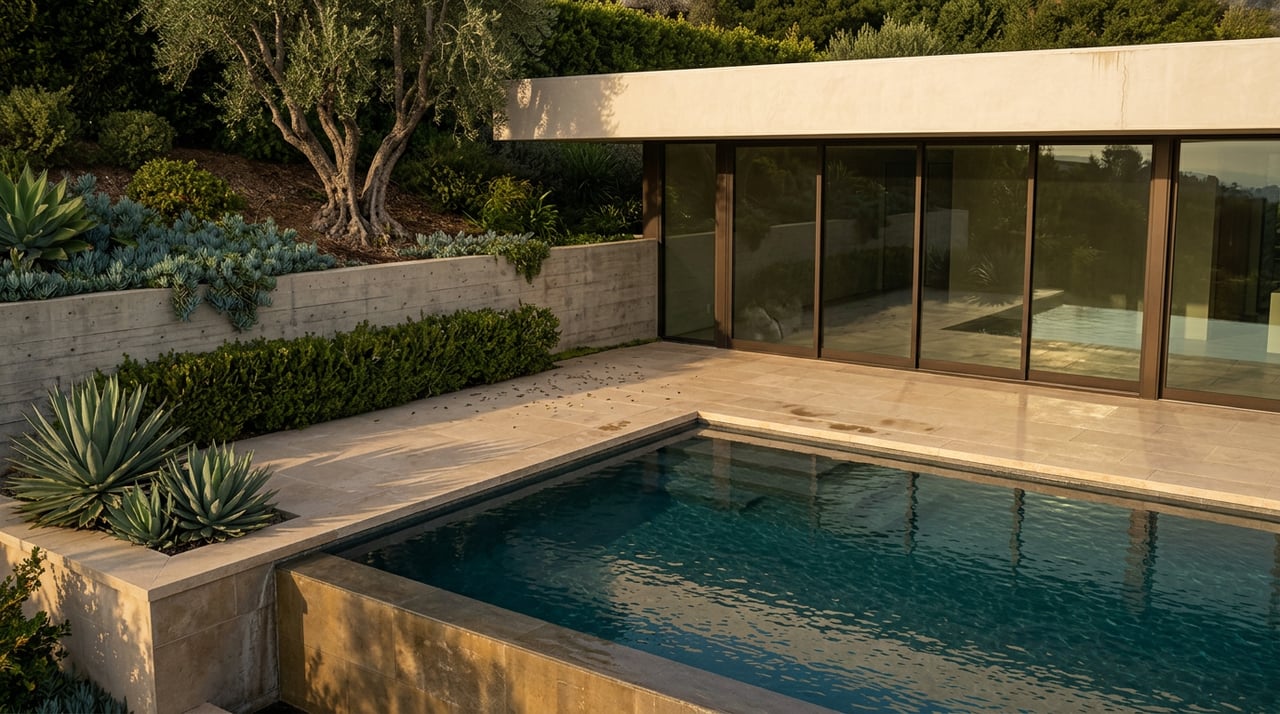
Picture a Brentwood estate that a broker has priced at $5,500,000. The sellers expected a tax bill somewhere in the low five figures, the kind of closing cost that shows up on every transfer of real property in California. Instead, the escrow statement shows $220,000 owed to the City of Los Angeles alone, on top of everything else. Nobody miscalculated. That is simply what a 4% rate does to the full sale price once a property crosses into Measure ULA territory, and as of this summer, that territory just got a little larger and a lot more permanent.
Most sellers in the City of Los Angeles have spent the past two years treating Measure ULA the way you'd treat a bad weather forecast: annoying, expensive, and probably temporary. That assumption stopped being reasonable in late June, when the ballot measure that was supposed to gut the tax got pulled before it ever reached voters. If you own property in Bel Air, Brentwood, Pacific Palisades, Hollywood Hills, Los Feliz, or Westwood and you're within shouting distance of $5.4 million, the math you need to run today looks different than it did a year ago.
A Tax That Doesn't Care What You Paid
Measure ULA, officially the transfer tax layered on top of the city's existing documentary transfer tax, took effect in April 2023. It taxes the entire gross sale price, not the gain, the moment a transaction crosses a threshold. There's no bracket system where only the dollars above the line get taxed. Cross it by a single dollar and the whole sale price gets taxed at the higher rate.
As of July 1, 2026, the Los Angeles Office of Finance sets those thresholds at $5,400,000 and $10,900,000. Below the first line, a seller owes nothing beyond the standard city and county transfer taxes. At exactly $5,400,000, the bill is $216,000. At $10,900,000, the jump to 5.5% adds roughly $163,500 compared to pricing just under that same line. The difference between listing a home at $5,399,999 and $5,400,001 is invisible to a buyer scrolling listings and worth about $216,000 to the seller at the closing table.
That structure is why agents working this price band now build net proceeds tables in $100,000 increments around each threshold before a listing ever goes live. Pricing a $5 million-plus home in Los Angeles isn't a single number anymore. It's a decision about which side of a cliff you want to stand on.
The Vote That Was Supposed to Fix This
For most of 2025 and into 2026, the loudest promise made to frustrated sellers was that relief was coming. The Howard Jarvis Taxpayers Association gathered more than 1.3 million signatures for a statewide constitutional amendment that would have capped municipal transfer taxes at 0.05% of sale price, a reduction of more than 99% from what ULA charges today. It qualified for the November 2026 ballot in May. Real estate investors and developers who had bankrolled the signature drive were counting on it as the mechanism that would finally force Sacramento's hand.
Then, in the final days of June, the whole thing collapsed into a negotiated withdrawal. Facing pressure from Governor Newsom's office and legislative leaders, the Howard Jarvis Taxpayers Association agreed to pull its measure in exchange for a narrower constitutional amendment that raises the voter threshold for future local tax measures going forward. That substitute, since assigned as a statewide proposition, does not cap existing transfer taxes and does not touch Measure ULA. A competing legislative fix, Assembly Bill 736, would have left mansion sales taxed at ULA's existing rates while capping the tax at 1.5% for everything else it currently touches, including apartment buildings and commercial property. That bill lost its momentum once the bigger deal was struck and now faces an uncertain future.
Mott Smith, a board member of the Council of Infill Builders who has researched ULA's effect on housing development, called the outcome an absolute Game of Thrones twist. The industry coalition that spent two years and real money building pressure for repeal walked away with nothing, while the tax they were fighting remains exactly as it was.
The Los Angeles City Council added one more data point on July 1, when it declined to place a broader new-construction exemption on the ballot and instead advanced a much narrower carve-out limited to owners affected by the Palisades Fire. That measure, if it reaches the November 2026 ballot, would grant a five-year ULA exemption to fire-affected homeowners replacing a lost property. It is real relief for a specific, limited group. It is not a signal that the tax itself is going anywhere for anyone else.
Who Actually Sits Outside It
The tax only applies within the incorporated City of Los Angeles. Beverly Hills, Santa Monica, West Hollywood, and Culver City are each their own municipality, and none of them collect Measure ULA on a sale within their limits. That distinction matters more than it sounds, because the city line through the Westside doesn't track neatly with how buyers think about neighborhoods. A property on one side of Wilshire Boulevard near Beverly Hills can be exempt while a similar home a few blocks away, still legally within Los Angeles, is not.
That said, exemption from ULA doesn't mean exemption from every local transfer cost. Santa Monica runs its own separate transfer tax structure under a different local measure, so a seller shouldn't assume that leaving City of Los Angeles jurisdiction means leaving every added cost behind. The right move is confirming exactly which city a parcel sits in through the county assessor's records before any pricing conversation begins, not assuming based on the neighborhood name on the listing.
What Sellers Are Actually Doing About It
With repeal off the table for this election cycle, the behavioral shifts already underway are likely to continue rather than reverse. Three patterns stand out.
Off-market sales have grown as a way to control terms, not avoid the tax. Selling privately doesn't remove a ULA obligation if the price still crosses a threshold, but it gives a seller more control over timing and who sees the number, which matters to entertainment industry clients and executives who value discretion as much as price.
Remodeling instead of selling has become a documented trend. Reporting from The Real Deal found a 46 percent increase in high-end remodel permits since the tax took effect, concentrated in neighborhoods like Sherman Oaks, Encino, Bel Air, and Brentwood. In one Brentwood case, a contractor described homeowners who had planned to sell until they calculated that the combined weight of ULA and standard commissions would consume roughly 11 percent of their proceeds. They reinvested in the home instead.
Threshold-aware pricing has become standard practice rather than a niche strategy. Rather than listing at an aspirational number above $5.4 million and hoping the market bears it, agents working this segment increasingly test whether a price just under the line, allowing room for the buyer to negotiate up naturally, produces a better net outcome than starting above it and absorbing the tax from the first offer.
None of these are workarounds in the sense of avoiding the tax altogether. They're adjustments to a cost that isn't going anywhere in the near term.
A Few Questions Worth Answering Directly
Does a 1031 exchange let me avoid Measure ULA? No. A like-kind exchange can defer federal and California capital gains taxes on qualifying investment property, and that deferral is still valuable, sometimes worth far more than the ULA cost itself. But ULA is a transfer tax triggered by the sale, not an income tax, so it applies at closing regardless of what happens to the proceeds afterward.
If my property is in Beverly Hills or Santa Monica, am I completely clear? You're clear of Measure ULA specifically. Confirm what your own city charges, since several Westside municipalities run separate transfer tax structures of their own.
Could this still get repealed in a future election? The clearest near-term pathway just closed. The statewide measure that would have gutted ULA was withdrawn in June in exchange for a narrower amendment that doesn't touch transfer taxes. Barring a new campaign starting from scratch, sellers should plan around the current 4 percent and 5.5 percent structure rather than betting a transaction timeline on it changing.
Selling a property above $5.4 million in the City of Los Angeles now requires the kind of precision that a percentage point used to only matter for at the very top of the market. Getting the number right, and understanding exactly which side of the threshold you're standing on before you ever go to market, is the difference between a clean closing and a six-figure surprise.
If you're weighing a sale in Los Angeles, or comparing what a move north to the San Diego coast might mean for your bottom line, Craig Lotzof & Associates can walk through the actual math for your specific property and timeline. Schedule a private market consultation before you set a list price, not after.