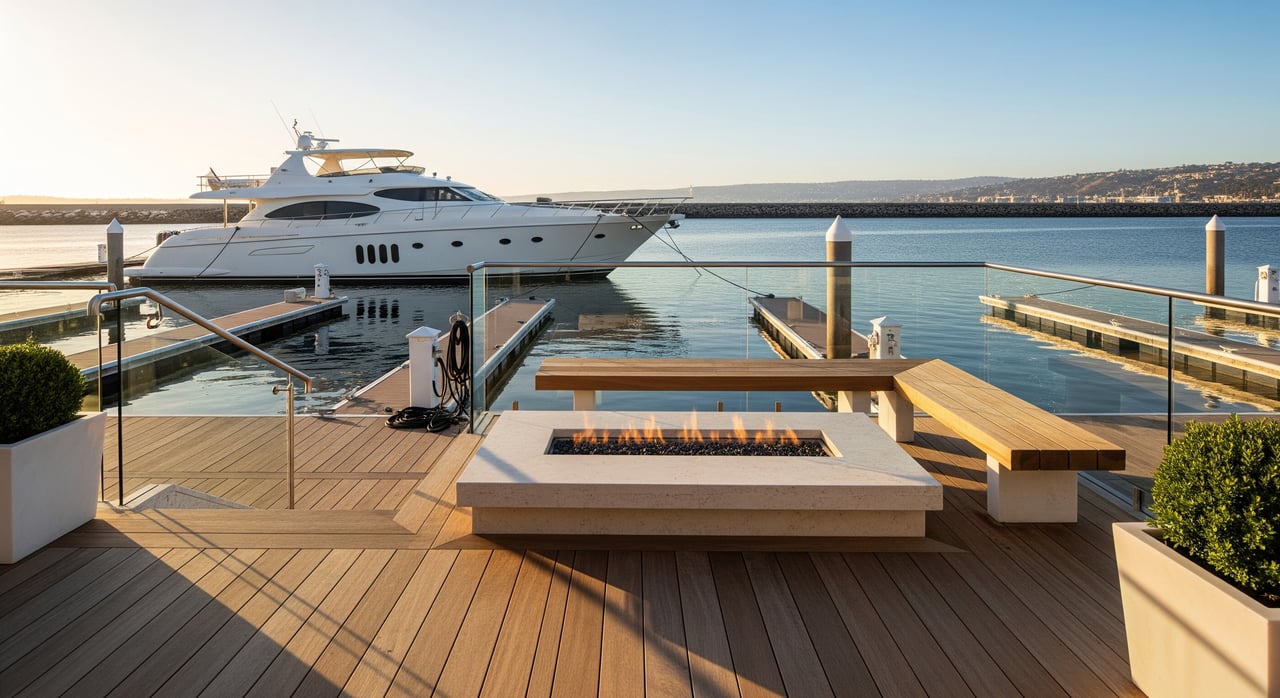
You want a home that keeps you close to the water and even closer to your next outing. If you are eyeing Point Loma Heights, you are in a sweet spot for quick access to San Diego Bay, Shelter Island marinas, and the open Pacific. The challenge is sorting through marina choices, slip rules, and home options that actually fit your boating life. This guide helps you map your boating priorities to the right property and moorage plan so you can enjoy the water without surprises. Let’s dive in.
Point Loma boating at a glance
Point Loma Heights sits on the peninsula overlooking San Diego Bay and the channel to the Pacific. While the neighborhood itself is mostly residential, you are minutes from the concentrated marina hubs on Shelter Island and Harbor Island. That means fast bay cruising, easy day-sailing, and quick runs to Coronado, Mission Bay, La Jolla, or, for longer trips, Catalina overnights.
Local conditions deserve respect. Tidal currents at the harbor entrance can be strong, and channel traffic includes naval vessels, tugs, and commercial shipping. Seasonal swell, fog, and kelp beds are part of the planning picture. For safe navigation and the latest advisories, rely on official resources like the Port of San Diego, NOAA charts, San Diego Harbor Police, and the U.S. Coast Guard.
Marina options near Point Loma Heights
There is no single “best” marina. Your fit depends on boat size, how often you use it, and the level of service you want.
Port-managed municipal marinas
These facilities typically provide a mix of long-term and transient slips, fuel, pump-outs, and basic amenities. They are regulated, usually transparent with fee schedules, and often close to dining and city services. Desirable long-term slips can have waitlists, so plan ahead.
Private and resort marinas
Expect higher amenities, premium pricing, and stronger service culture. You may find concierge support, security, valet launch, and on-site dining. Policies vary on transient guests, seasonal terms, and what you can modify on your boat or dock.
Yacht clubs and member marinas
If community and programming matter, a yacht club can be ideal. You get regattas, social events, and sometimes reciprocal privileges with other clubs. Slips are often limited and tied to membership, with initiation fees and monthly dues.
Boatyards, haul-out yards, and commercial docks
If you plan upgrades or own a larger yacht, proximity to a capable yard is important. Travel lift capacity, haul-out schedules, and specialty services vary by facility. Confirm haul-out limits and typical lead times before you commit to a slip.
Onshore and trailerable options
If your boat is trailerable, dry stack storage or home storage plus ramp launching can be efficient. This reduces slip commitments yet keeps you boating on your schedule. Factor in ramp parking, peak-hour waits, and your launch routine.
Slip and moorage essentials
The right slip makes boating smoother, safer, and easier. Use the points below to build a moorage plan that matches your vessel and your lifestyle.
Ownership, lease, or membership
Owned slips are rare in urban settings, and association rules apply. Most boaters lease slips monthly or annually. Some berths are tied to club memberships with their own waitlists. Read renewal and assignment rules closely.
Size and configuration
Match the slip to your vessel’s LOA, beam, and draft, and add clearance for fenders and maneuvering. For larger yachts, check turning basins, pile locations, and overhead clearance. Verify shore power type and amperage for your HVAC and systems.
Utilities and security
Look for reliable shore power, potable water, and pump-out access. Consider Wi‑Fi quality, fueling dock proximity, and waste disposal. Security features like gated access, cameras, and patrols can be important for peace of mind.
Liveaboard policies
Many marinas either limit or prohibit liveaboards. Others allow it with regulations and fees. Confirm the policy, caps on liveaboard permits, and any Port or City rules that apply.
Access and parking
Your time on the water starts at the parking lot. Ask about assigned spaces, guest parking, and after-hours access. Some marinas offer shuttle, launch, or valet services that can streamline your routine.
Environmental best practices
Expect rules on pump-outs, fuel handling, hull cleaning, and anti-fouling paints. Marinas may publish Best Management Practices and require recycling for oily waste and hazardous materials.
Availability and waitlists
Popular slip sizes and locations often have waitlists. Ask about average wait times, priority rules, and whether any slip rights are transferable with property sales when slips are tied to residences.
Cost components
Plan for the monthly berth fee, metered utilities, deposits, and transient rates for guest stays. Clubs may add initiation fees and dues. Liveaboard permits usually carry additional fees. Budget for maintenance and potential assessments.
Pro tip: Create a moorage profile. List your boat’s dimensions, how often you plan to use it, whether you need liveaboard status, and your must-have amenities. Compare marinas against that profile to narrow choices fast.
Service network that keeps you underway
Point Loma’s boating community supports a full range of yacht services. You can expect access to:
- Mechanical and systems specialists for diesel engines, generators, refrigeration and AC, plumbing, and electrical.
- Rigging, sailmaking, and canvas shops for repairs and replacements.
- Electronics support for chartplotters, radar, AIS, autopilots, and satellite communications.
- Hull work, bottom painting, fiberglass and composite repairs, with slip-side work or full haul-outs as needed.
- Brokerage, marine surveyors, and insurance contacts, especially useful when buying or refitting a used yacht.
- Chandlery supplies, provisioning deliveries to the dock, and crew or captain placement services.
Peak season can produce backlogs for haul-outs and complex refits. Schedule refit windows early and coordinate with your yard’s calendar.
Matching homes to your boating style
Point Loma Heights is primarily residential, with single-family homes, bungalows, mid-century properties, and some multi-unit buildings. Because of the hillside and bluff topography, private docks are rare in the neighborhood. Most buyers choose from four realistic scenarios.
Scenario A: Home in Point Loma Heights + nearby slip
Buy a single-family home in the neighborhood and lease a slip on Shelter Island or Harbor Island. This suits owners who value neighborhood character and space while keeping the boat minutes away by car. You will plan for gear transport and marina parking.
Scenario B: Waterfront home with private dock
True “dockage” properties are uncommon near Point Loma Heights and appear more often in other San Diego bayside areas. This fits owners who require step-on access and overnight tendering. Expect premium pricing, pier maintenance obligations, and stricter permitting and insurance.
Scenario C: Marina-side condo or integrated development
Condominiums or townhomes tied to marinas, particularly around Harbor Island, Shelter Island-adjacent areas, or the North Embarcadero, reduce transit time to the boat. Some communities may include moorage privileges. Review HOA rules, slip assignment policies, and shared maintenance assessments.
Scenario D: Trailerable boat or dry storage
If you prefer neighborhood living without slip commitments, store a trailerable boat at home or contract for dry stack. This best suits smaller boats and flexible launch schedules. Consider ramp access, peak-hour waits, and your launch routine.
Quick mapping exercise:
- If immediate step-on access is essential, target properties with slip rights or marina-front condos.
- If home size and neighborhood feel come first, select a Point Loma Heights residence and secure a reserved slip nearby.
- If low-maintenance yachting is the priority, a premium private or resort marina with concierge services can be worth the fee.
Budgeting and timelines
Slip fees vary by marina, slip size, and amenities. Port-managed facilities tend to be more regulated on fees, while private and resort marinas are priced at a premium. Add metered shore power, fuel surcharges, and utility minimums where applicable.
Clubs and member marinas may include initiation fees and monthly dues. On the operating side, plan for fuel, routine servicing, cleaning, insurance, registration, and periodic capital work like haul-outs, engine overhauls, electronics upgrades, and bottom paint. If a slip or pier is tied to a property, review shared maintenance responsibilities and the potential for special assessments.
A practical step is to collect current fee schedules for candidate marinas and run a 12 to 24 month operating forecast for your boat and moorage plan. This clarifies tradeoffs and helps you move quickly when the right home appears.
Rules, permits, and insurance basics
Several authorities shape boating and waterfront ownership in San Diego. The Port of San Diego manages public marinas, moorage rules, and many slip leases. The City of San Diego governs permitting and zoning, including shoreline and private pier rules. The U.S. Coast Guard oversees safety and aids to navigation, while California state agencies and regional water quality boards handle environmental compliance for pump-outs, hull cleaning, and anti-fouling paints.
If you consider a waterfront property with a private dock, expect multi-agency permitting with habitat and navigation considerations. Build time into your plans for approvals. For insurance, most marinas require proof of hull and liability coverage and may ask to be named as additional insured. Waterfront exposure can affect homeowner and flood premiums, and marine risks may require specialized riders.
How to tour marinas like a pro
Before a home tour, align on boating needs. Then create a marina short list and verify details in writing.
- Call harbormasters about slip sizes, waitlists, lease terms, liveaboard rules, guest slip policies, and current fees.
- Inspect candidate slips for dimensions, fendering, cleats, shore power, water, and Wi‑Fi access.
- Confirm travel lift capacity and yard scheduling for your vessel’s LOA, beam, and draft.
- Request insurance requirements from the marina and share them with your broker or insurer.
- Note drive times from Point Loma Heights to each marina, parking availability, and after-hours access.
Marina checklist to bring on your tour:
- Boat LOA, beam, draft, and power requirements.
- Slip dimensions, turning basin clearance, and pile placement.
- Shore power type and amperage, potable water, and pump-out access.
- Security measures, parking, and guest access policies.
- Fuel dock proximity and rules for fueling procedures.
- Liveaboard availability and conditions, if desired.
- Haul-out access, yard capacity, and typical lead times.
- Current monthly fees, deposits, and any initiation dues.
Make your move with confidence
Point Loma Heights offers a rare blend of neighborhood living and near-immediate access to San Diego’s best marinas. When you align your home choice with a clear moorage plan, you get the seamless boating life you came for. If you want help narrowing the best-fit homes and marinas, schedule a private conversation. Craig Lotzof and his senior-led team can curate options, coordinate marina intel, and guide you to a confident decision.
FAQs
What makes Point Loma Heights attractive for boaters?
- You live in a residential neighborhood while staying minutes from Shelter Island and Harbor Island marinas, with quick access to San Diego Bay and the Pacific.
Are private docks common in Point Loma Heights?
- They are rare due to the area’s hillside and bluff topography. Most buyers pair a Point Loma Heights home with a leased slip nearby.
How do I choose between a municipal marina and a private marina?
- Compare fee transparency, waitlists, amenities, security, and service levels against your moorage profile and budget.
What slip details should I verify before signing?
- Confirm LOA, beam, and draft fit, shore power type and amperage, pump-out access, security, parking, liveaboard rules, and any waitlist or transfer policies.
Where can I find official navigation and safety information for the area?
- Rely on the Port of San Diego, NOAA charts, San Diego Harbor Police, and the U.S. Coast Guard for current advisories and navigation details.
What services are available for yacht maintenance near Point Loma?
- You can access mechanical, electrical, rigging, electronics, hull work, and haul-out facilities, plus chandlery, provisioning, brokerage, and surveyors.
What costs should I plan for beyond the monthly slip fee?
- Budget for metered utilities, deposits, initiation fees or dues if in a club, liveaboard fees if applicable, insurance, routine maintenance, and capital work like haul-outs.